
What is Liberal Arts?
To understand why the Liberal Arts is important today, we need to know what it is. It is a wide, connected way of learning. It helps you become a critical thinker and a great communicator. You explore many areas, not just one job skill. This includes History, Literature, Psychology, and basic Sciences. You get a full picture of the world and how people act.
This base of knowledge gives you skills that work in any job. It helps you adapt easily as the job market quickly changes.
Real-World Example: Ethics in Technology
Imagine a big tech company making an AI chatbot (An AI chatbot is a computer program that uses Artificial Intelligence to simulate a human conversation, understanding user requests and generating natural language responses). Engineers write the code (the technology work). But Liberal Arts students decide what the chatbot should and shouldn’t say:
- A Philosophy or Ethics student writes the “safety rules. This prevents the chatbot from causing harm or giving false information. They ask tough questions, like, “Is it better for the AI to be fully honest, even if the truth is upsetting?”
- A Linguistics student designs the bot’s tone. This makes the language sound helpful and natural in different countries. They make the AI a good talker, not just a list of facts.
- A Political Science student advises on how the bot’s answers might affect public opinion or break international laws.
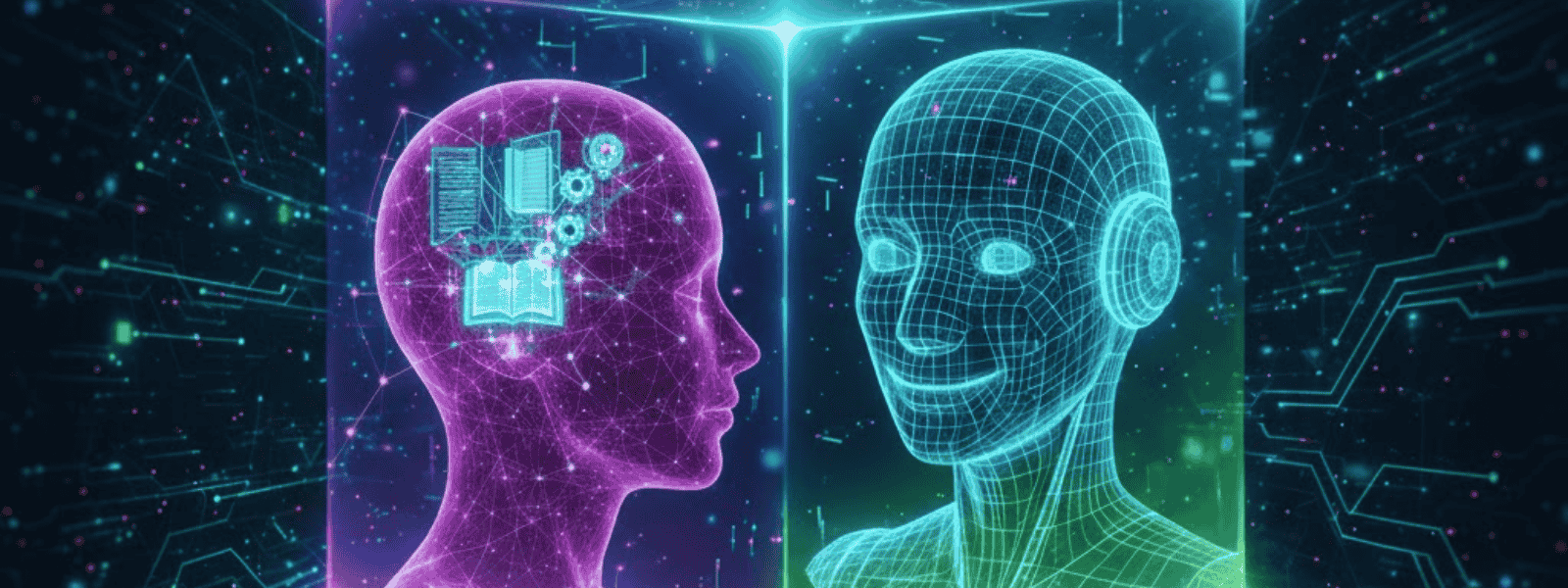
Liberal Arts skills provide human judgment, ethics, and communication to direct technology. This makes the product useful and responsible.
The Power of Human Skills
AI is quickly changing the job market. AI is strong at tasks with clear steps—like sorting numbers or summarizing facts. But it misses key human skills that you learn in a Liberal Arts education:
1. Thinking Deeply and Morally
AI sees data, but it cannot argue about moral questions (the “should we” part). History and political science teach you to use a moral viewpoint. You learn to question things and think about the large-scale effect of new tech. This is essential for controlling AI.
2. Creative Ideas and New Concepts
Literature and art push your imagination. Future jobs will pay well for people who can invent new products or ideas. Creativity and linking different concepts are skills computers cannot copy. Innovation is the best way to secure your job future.
3. Communication and Understanding People
Good teamwork needs clear talk and empathy. AI can write an email, but it can’t understand feelings or solve conflicts. The “people” skills you gain – like listening well and understanding different cultures – are becoming the most important skills for leaders.
Your Liberal Arts background prepares you to be the main thinker and moral guide of the AI age. You will be best placed to use technology and ensure it serves people.
How Students Can Prepare
Students should aim for “T-shaped” skills. Imagine the letter ‘T’: the vertical line is a deep skill (your main subject). The wide horizontal line is a set of useful, general skills (problem-solving, creativity). To succeed with AI, make the horizontal line wide. Pair a technical subject with a humanities major (e.g., History with a Data Science minor).
Additionally, make a commitment to continuous learning. Since jobs will change, your education must continue. Join groups that make you think hard, like a debate team. These activities let you practice your Liberal Arts skills on real, complex problems.
How Parents Can Help
Parents play a key role in supporting this balanced education. The best support is to ask: “What skills will this degree give?” instead of “What job will this degree get?” Support your teenager if they choose a subject like Philosophy. Just make sure they also get practical skills, like an internship or a basic tech certificate.
Also, encourage mixed hobbies. If your child loves coding, ask them to write stories. If they love books, suggest a basic math class. By valuing both human and technical skills, you reduce their career stress and prepare them for a flexible future.
In summary, the value of a Liberal Arts education is undeniable in our technology-driven world. It equips individuals with the core human strengths needed to shape the future:
- Essential Skills: Liberal Arts build creativity, critical thinking, empathy, and adaptability.
- Future Focus: It prepares you to lead and innovate in the AI age.
- Career Ready: Combining these skills with technology makes you job-ready and ensures you can direct tech to benefit all people.
- The Key to Success: Success belongs to those who can connect ideas, understand people, and adapt with purpose.
… Coach Saira Kale
#CareerCoaching #StudentSuccess #EarlyCareerGuidance #FutureOfWork